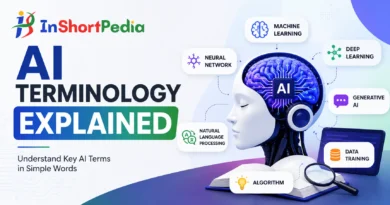

Key Concepts in AI: Algorithms, Models & Training Data
Artificial Intelligence (AI) powers many technologies you use every day — from voice assistants to fraud detection systems.
To understand how AI works, you must first grasp its three core building blocks: algorithms, models, and training data.
This article explains:
What these key AI concepts mean
How they work together
Why they matter for tech professionals building or using AI
What Are Algorithms in AI?
Understanding Algorithm
An algorithm is a step-by-step method a computer follows to solve a problem. AI algorithms process data and learn patterns to make predictions or decisions.
Examples of AI algorithms:
Decision Tree: Splits data into branches based on rules
Neural Network: Mimics the human brain to recognize patterns
Support Vector Machine: Draws a boundary to separate different data classes
K-Means Clustering: Groups similar data points without labels
Key point: Algorithms act as the logical engine behind any AI system.
What Are Models in AI?
Understanding AI model
A model is the trained version of an algorithm. When you feed data into an algorithm and let it learn, it produces a model that can make predictions on new data.
Example:
You train a neural network algorithm on thousands of cat and dog images.
The resulting model can classify new images as cats or dogs.
Key facts about models:
Models improve as they see more data
They depend on both the chosen algorithm and the quality of training data
You can reuse trained models across different applications
What Is Training Data in AI?
Understanding Training data
Training data is the information used to teach an AI algorithm. It contains examples and their correct answers (labels), which help the algorithm learn patterns.
For example:
Training data for a spam detector includes labeled emails marked “spam” or “not spam.”
Key points:
The size and quality of data directly affect model accuracy
Biased or incomplete data leads to poor results
Clean, diverse, and well-labeled data builds trustworthy AI systems
How Algorithms, Models, and Training Data Work Together
These three elements form the core AI workflow:
Collect training data
Choose an algorithm
Train the algorithm on the data to produce a model
Use the model to make predictions on new data
Common Questions About These AI Concepts
Q1: Are algorithms and models the same?
No. Algorithms are the methods; models are the trained outcomes of those methods.
Q2: Can a model work without training data?
No. A model needs training data to learn patterns and make accurate predictions.
Q3: Can you reuse AI models?
Yes. Pre-trained models can be fine-tuned for new tasks using smaller datasets.
Conclusion
Algorithms, models, and training data are the backbone of AI systems.
Algorithms define how learning happens
Models store the learned knowledge
Training data provides the knowledge to learn from
Understanding these key concepts helps you design, evaluate, and use AI solutions effectively.
You can now explore the key differences between Machine Learning, Deep Learning, and Neural Networks to understand how each drives artificial intelligence.