
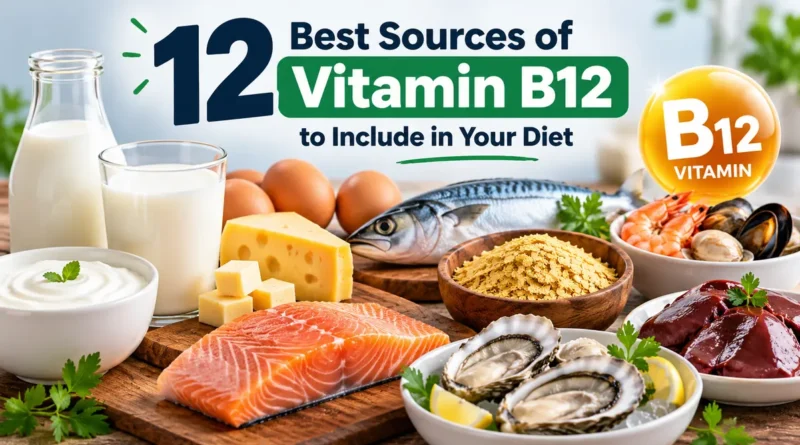
12 Best Vitamin B12 Foods to Include in Your Diet
The best vitamin B12 foods are clams, beef liver, sardines, salmon, trout, tuna, beef and mutton, eggs, milk, curd, cheese, and fortified products such as nutritional yeast and cereals. Most adults need 2.4 mcg of B12 per day. A small serving of clams or liver covers that many times over, while two glasses of milk cover it on their own. Vegetarians can reach the target with dairy and eggs, and vegans need fortified foods or a supplement.
Vitamin B12 (cobalamin) is made only by bacteria. Animals store it in their tissues, which is why animal foods are the natural sources. This guide ranks the 12 best food groups, shows the B12 content of each, and explains who needs to be careful.
Overview:
- Highest sources: clams, liver, sardines, salmon, trout
- Best everyday vegetarian sources: milk, curd, cheese, eggs
- Best vegan sources: fortified foods and fortified nutritional yeast
- Not dependable: mushrooms, spirulina, seaweed, fermented foods
- Adults over 50, vegans, and people on long term metformin or acid reducers carry the highest risk of low B12
What Does Vitamin B12 Do in Your Body?
Vitamin B12 is a water soluble vitamin with four main jobs:
- Helps make red blood cells, which carry oxygen. Low B12 can cause megaloblastic anaemia.
- Protects the nervous system by maintaining the coating around nerves (myelin).
- Helps make DNA in every new cell.
- Works with folate to break down homocysteine, an amino acid that is linked to heart and blood vessel problems when it stays high.
Your liver can store several years of B12. Because of this, a low intake may not cause symptoms for a long time. By the time you feel tired or notice tingling in your feet, your stores may already be quite low.
How Your Body Absorbs Vitamin B12
Absorption matters as much as intake. The process works like this:
- Stomach acid releases B12 from the protein in food.
- B12 then binds to intrinsic factor, a protein made in the stomach.
- This combination is absorbed in the lower part of the small intestine.
A problem at any step lowers absorption. Low stomach acid, a missing intrinsic factor (a condition called pernicious anaemia), and gut diseases all reduce it. The B12 added to fortified foods and supplements is not bound to protein, so it does not need stomach acid to be released. According to the NIH, this is why adults over 50 are advised to get B12 from fortified foods or supplements.
12 Best Vitamin B12 Foods and Their Benefits
Values are per 100 g unless stated. They are rounded from USDA FoodData Central and the NIH Office of Dietary Supplements, and they vary by cut, brand, and cooking method.
| # | Food group | B12 per 100 g | How dependable |
|---|---|---|---|
| 1 | Beef, mutton and other meats | 0.3 to 3 mcg | High |
| 2 | Liver and organ meats | 17 to 83 mcg | Very high |
| 3 | Fish | 3 to 9 mcg | High |
| 4 | Clams, oysters and shellfish | 1.5 to 99 mcg | Very high |
| 5 | Eggs | 1.1 mcg (whole egg) | Medium |
| 6 | Milk | 0.4 to 0.7 mcg | High |
| 7 | Curd, yogurt and cheese | 0.4 to 3.3 mcg | High |
| 8 | Fortified foods | Varies by label | High |
| 9 | Nutritional yeast (fortified) | 8 to 24 mcg per ¼ cup | High |
| 10 | Fermented foods | Trace | Low |
| 11 | Mushrooms | Almost none, except dried shiitake | Low |
| 12 | Spirulina and seaweed | Label values mislead | Low |
1. Beef, Mutton and Other Meats
| Food | B12 per 100 g |
|---|---|
| Beef, cooked | about 2.8 mcg |
| Mutton or lamb, cooked | about 2.5 to 3 mcg |
| Pork, cooked | about 0.7 mcg |
| Chicken breast, cooked | about 0.3 mcg |
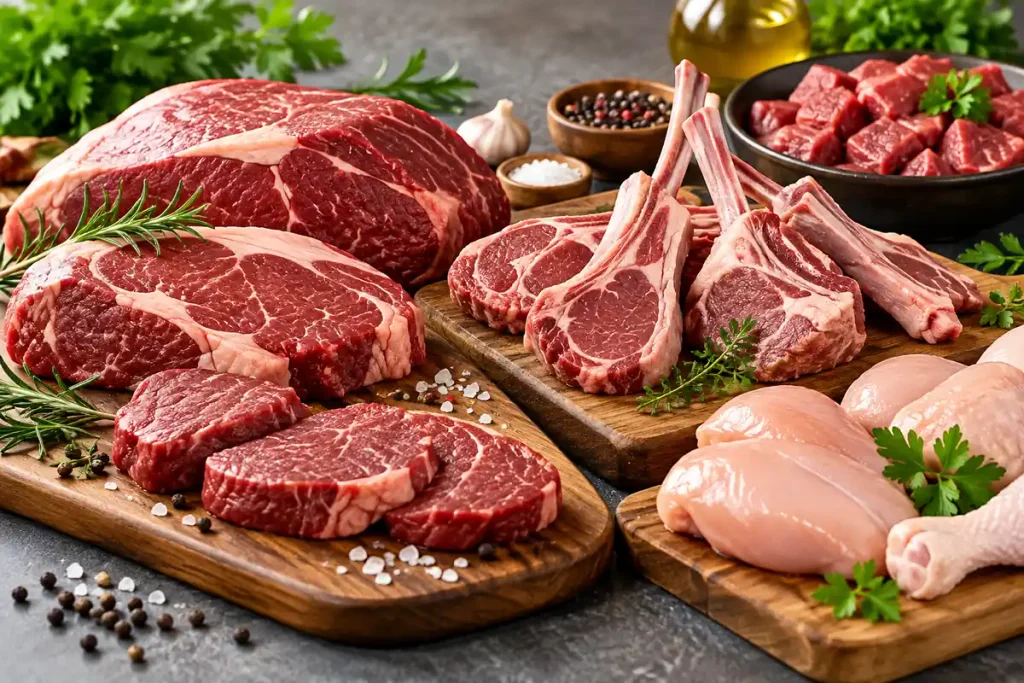
Animals store B12 in muscle and organs, so meat is a natural source. A 100 g portion of beef or mutton covers your full daily need. Chicken has far less, so it is a weak choice if B12 is your goal. Meat also gives protein, iron, and zinc.
But, the B12 in meat is bound to protein, and your stomach acid has to release it. Adults over 50 and people who take antacids for a long time absorb less. Processed, overcooked, or very oily meat is also harder to digest.
Tip: Cook meat in simple home recipes such as a light curry or stew instead of deep frying.
2. Liver and Organ Meats
| Food | B12 per 100 g |
|---|---|
| Beef liver, cooked | about 83 mcg |
| Beef kidney, cooked | about 27 to 31 mcg |
| Chicken liver, cooked | about 17 mcg |
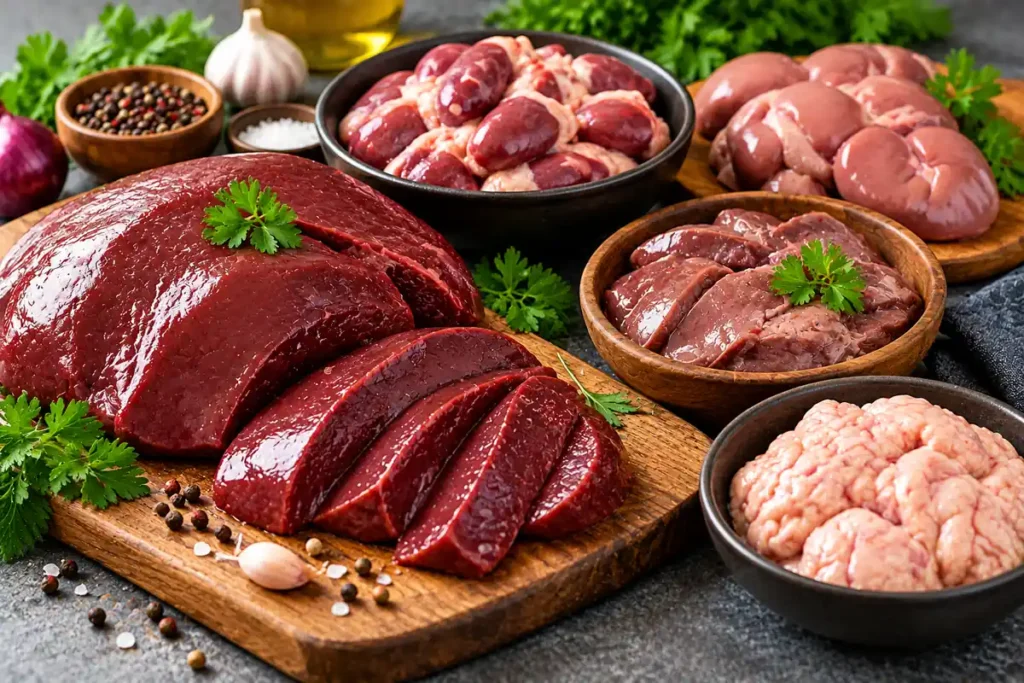
Liver is the most concentrated land animal source. A 30 g piece already gives many times the daily need, and it also supplies iron and folate.
But, liver is very high in vitamin A, and too much is harmful, especially in pregnancy. Eat it once a week at most. It is also high in cholesterol, so people with heart disease should ask their doctor first.
3. Fish
| Food | B12 per 100 g |
|---|---|
| Sardines, canned in oil | about 9 mcg |
| Rainbow trout, cooked | about 6.4 mcg |
| Sockeye salmon, cooked | about 5.6 mcg |
| Tuna, canned in water | about 2.9 mcg |
Fish gives B12 together with omega 3 fats, which support heart health. Sardines are the cheapest and one of the highest. Grilling or baking keeps the nutrients better than deep frying.
But, fish is a common allergen. If you are trying it for the first time, eat a small amount and stop if you get a rash, swelling, vomiting, or trouble breathing. Get urgent medical help for any breathing trouble. Pregnant women should limit tuna because of mercury.
4. Clams, Oysters and Other Shellfish
| Food | B12 per 100 g |
|---|---|
| Clams, cooked | about 99 mcg |
| Oysters, cooked | about 16 to 25 mcg |
| Shrimp, cooked | about 1.5 mcg |
Clams are the richest B12 food known. A single small serving covers several days of need. They also contain iron and selenium.
But, shellfish allergy is common and can be serious. Eat shellfish well cooked and from a trusted source, because raw shellfish can cause food poisoning.
5. Eggs
| Part | B12 per 100 g |
|---|---|
| Whole egg, boiled | about 1.1 mcg (0.6 mcg per large egg) |
| Egg yolk, raw | about 1.9 mcg |
| Egg white, raw | about 0.1 mcg |
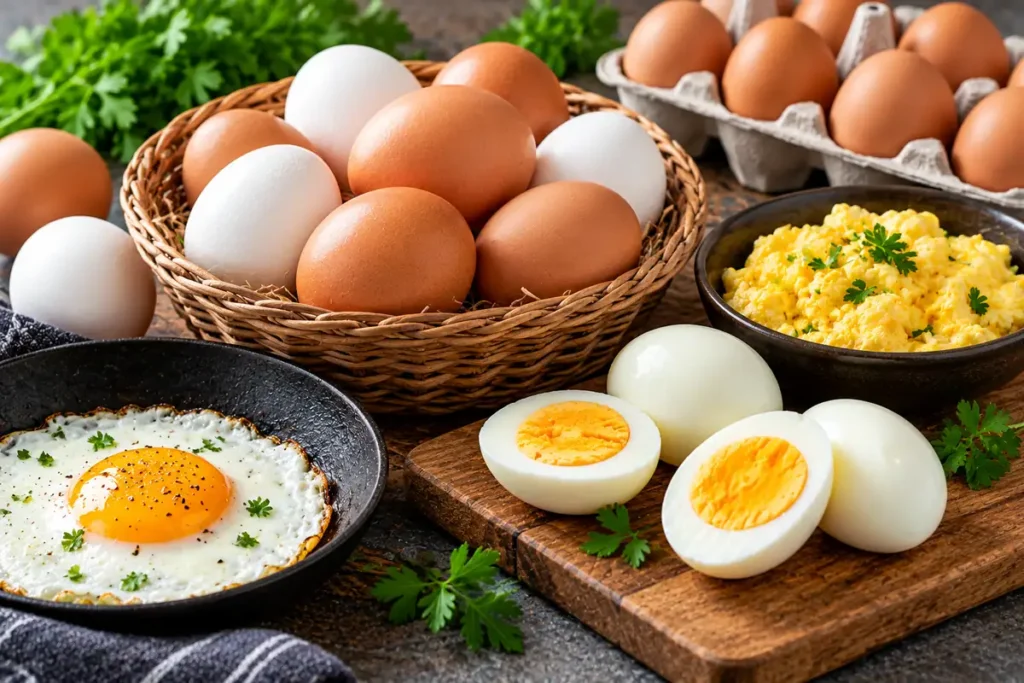
Most of the B12 is in the yolk. Eggs also give protein, choline, and vitamin D. Studies suggest your body absorbs less B12 from eggs than from milk or meat, so eggs help but should not be your only source.
But, yolks contain cholesterol. If you have heart disease or high blood pressure, follow your doctor’s advice on how many to eat.
Tip: Four eggs give about 2.4 mcg, but pairing two eggs with milk or curd works better.
6. Milk
| Milk type | B12 per 100 ml |
|---|---|
| Cow milk | about 0.5 mcg (1.3 mcg per cup) |
| Buffalo milk | about 0.4 mcg |
| Sheep milk | about 0.7 mcg |
| Goat milk | about 0.07 mcg |
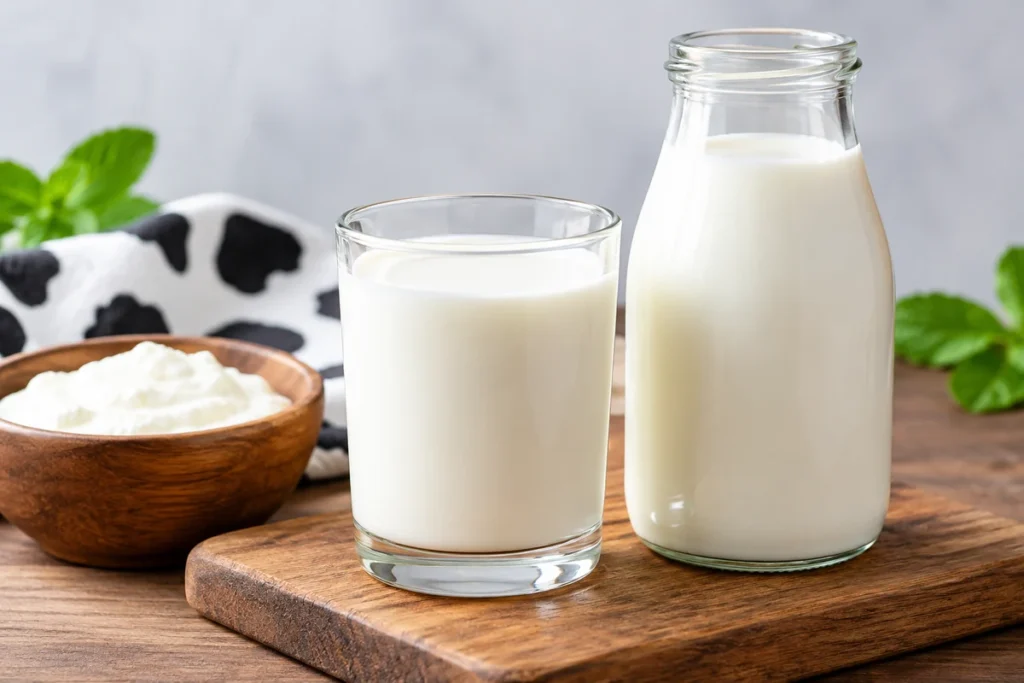
Studies suggest B12 from dairy is absorbed better than B12 from meat, fish, or poultry. Two glasses of cow milk (about 500 ml) give roughly 2.5 mcg, the full daily need. Goat milk is a poor B12 source.
But, milk is hard to digest for people with lactose intolerance or gastric complaints. Heat it gently, because long boiling reduces B12 a little.
7. Curd, Yogurt and Cheese
| Food | B12 per 100 g |
|---|---|
| Swiss cheese | about 3.3 mcg |
| Mozzarella | about 2.3 mcg |
| Yogurt, whole milk | about 0.4 mcg |
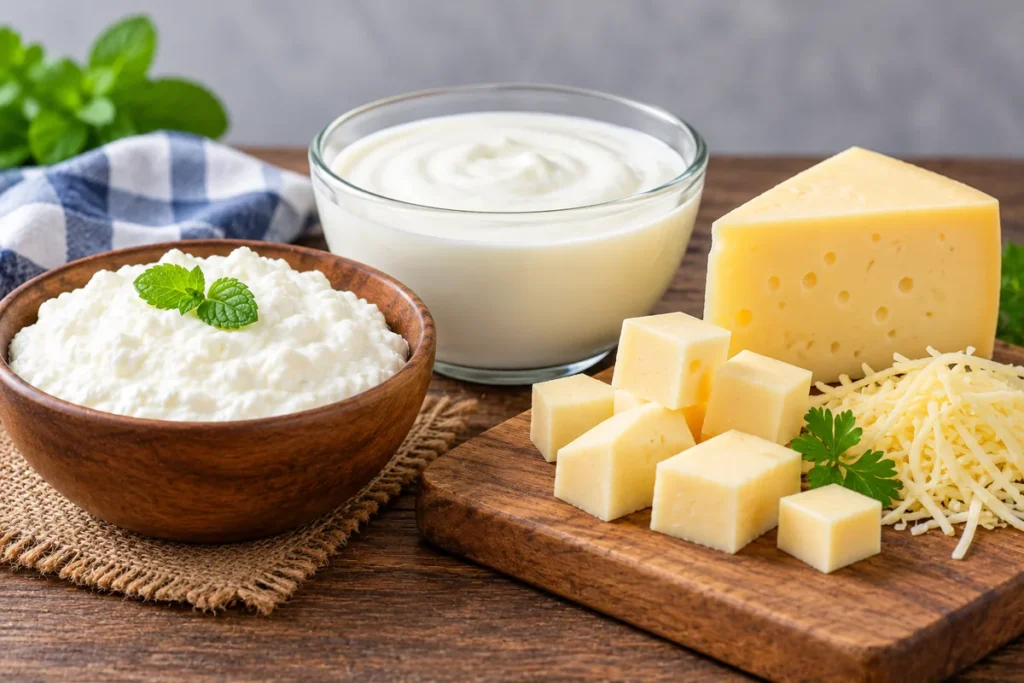
A bowl of curd (150 g) gives about 0.6 mcg. Buttermilk is mostly water, so it gives little. Paneer and ghee are not well documented, so do not count them as B12 sources.
But, cheese is high in salt and fat, so keep portions small.
8. Fortified Foods
| Food | B12 per serving |
|---|---|
| Breakfast cereal fortified with 25% of Daily Value | 0.6 mcg |
| Breakfast cereal fortified with 100% of Daily Value | 2.4 mcg |
| Fortified soy or oat milk, bread, juice | Varies by brand, read the label |
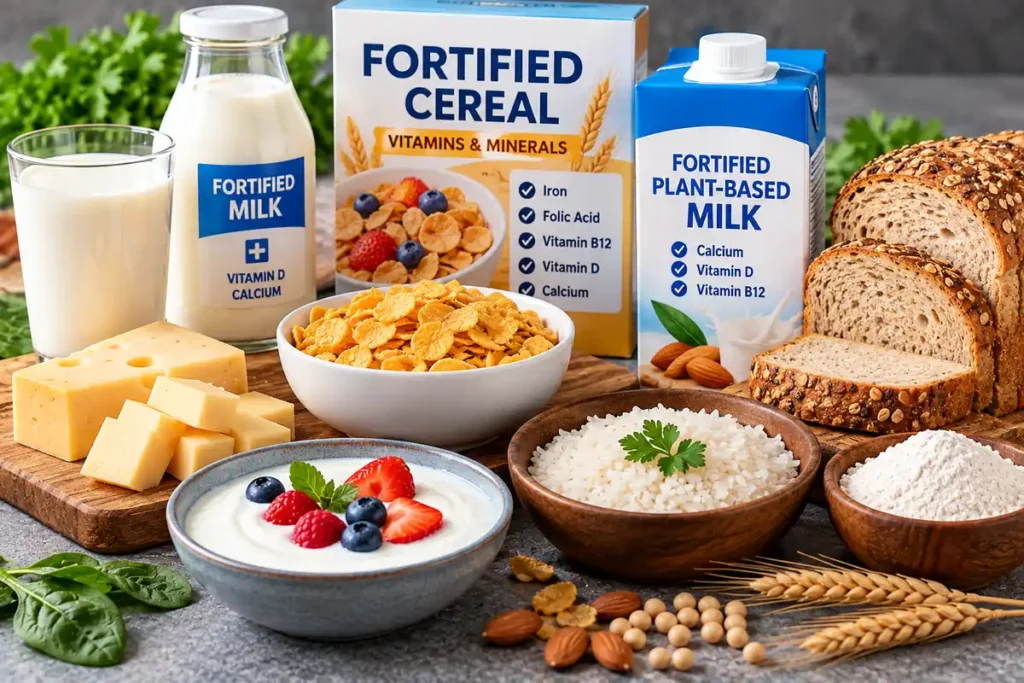
Fortified foods have B12 added during processing. This B12 is easy to absorb, including for older adults, and it is the most dependable food source for vegans.
But, only products that list B12 on the label contain it. Many fortified cereals are high in sugar, so compare brands.
9. Nutritional Yeast
| Food | B12 |
|---|---|
| Fortified nutritional yeast | about 8 to 24 mcg per ¼ cup |
| Unfortified nutritional yeast | none |
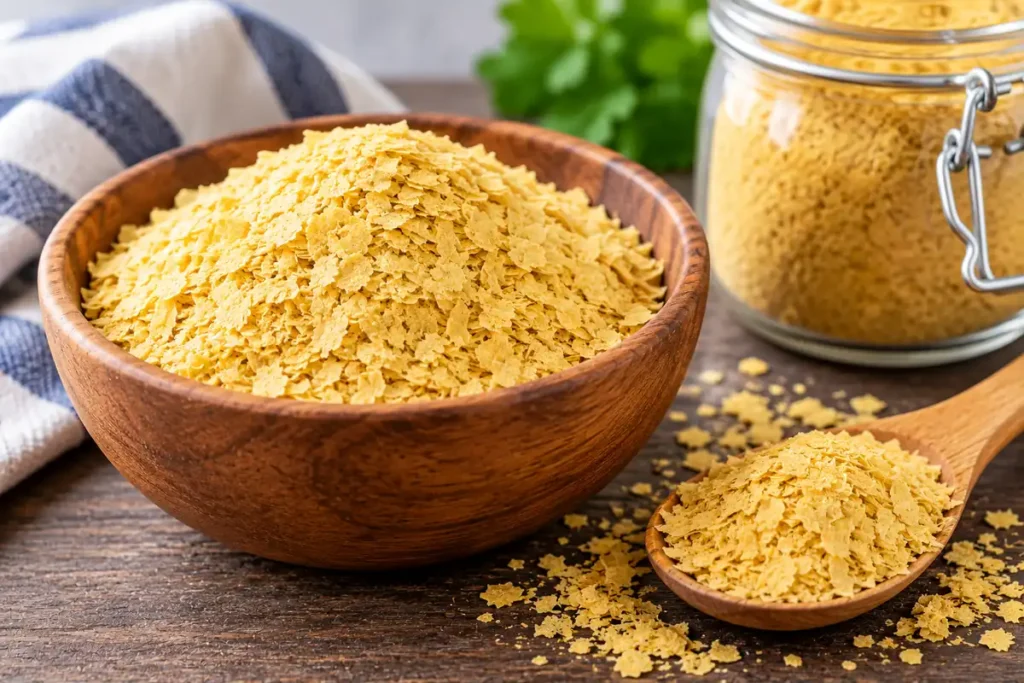
Nutritional yeast has a cheesy taste and fits well into Indian cooking. Sprinkle it on dal, khichdi, popcorn, or roti dough.
But, it must be the fortified kind. Brands differ a lot, so check the label. Start with a spoonful, because some people get stomach upset.
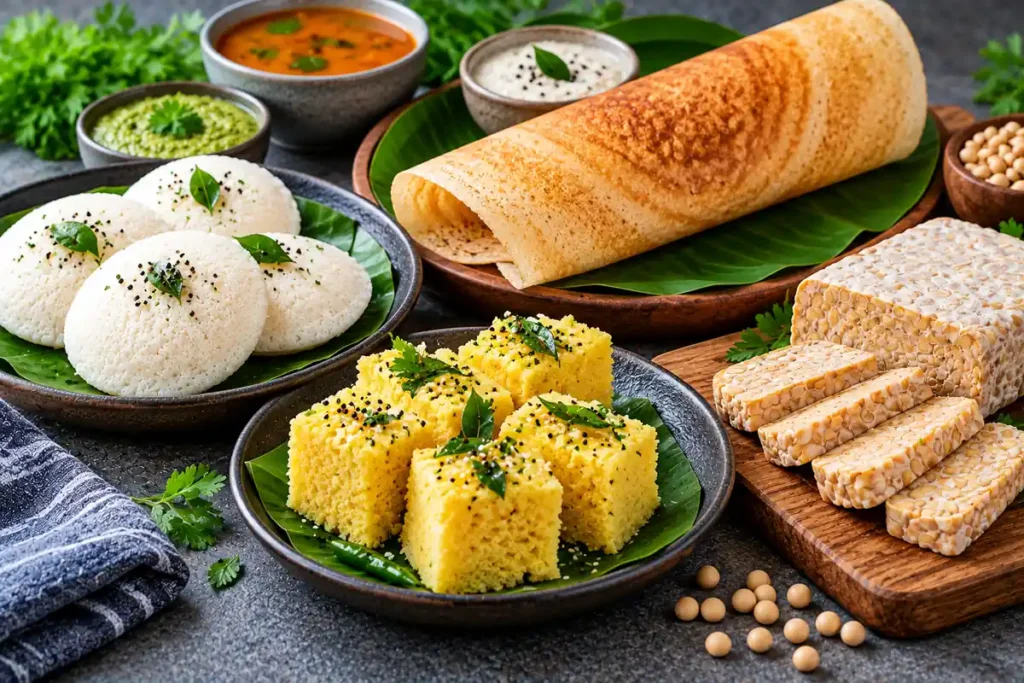
10. Fermented Foods (Idli, Dosa, Dhokla, Tempeh)
Fermentation bacteria can make tiny amounts of B12, but the amount is small and inconsistent. These are good everyday foods, but do not rely on them for B12. Eat them with milk, curd, or a fortified food.
11. Mushrooms
Dried shiitake has been reported to contain around 5.6 mcg per 100 g. A normal serving of dried mushroom is only 5 to 10 g, which gives about 0.3 to 0.6 mcg. Fresh mushrooms contain almost none. The amount depends on how they were grown, so mushrooms are not a reliable source.
But, some people are allergic to mushrooms.
12. Spirulina and Seaweed
Labels on spirulina and seaweed products can show very high B12 numbers. Much of the B12 in spirulina is pseudovitamin B12, a form humans cannot use well. Nori (dried seaweed) has some active B12, but the amount varies. Major health bodies advise against relying on either.
But, seaweed can be very high in iodine, which can affect the thyroid, and poorly sourced spirulina can carry heavy metals. Both often cause bloating.
Vitamin B12 Foods Compared: Animal Sources vs Plant-based Sources
| Feature | Animal foods (meat, fish, dairy, eggs) | Plant foods |
|---|---|---|
| B12 source | Natural | Added during processing (fortified) |
| Reliability | High | Only if fortified and labelled |
| Best examples | Clams, liver, fish, milk, eggs | Fortified cereal, fortified plant milk, nutritional yeast |
| Risk of low intake | Low if eaten regularly | High if fortified foods are skipped |
| What to do | Eat a variety | Read labels, consider a supplement |
Sample Vitamin B12 Diet Chart for One Day
The charts below use the B12 values from the food list above. Amounts are approximate, and your total will change with portion size and brand. They are examples to show how the numbers add up, not a prescribed diet plan.
Vegetarian Day With Dairy and Eggs
| Meal | What to eat | B12 (mcg) |
|---|---|---|
| Breakfast | 1 glass milk (250 ml) and 1 boiled egg | 1.35 + 0.6 = 1.95 |
| Lunch | Dal, rice, vegetables, and 1 bowl curd (150 g) | 0.6 |
| Dinner | Roti, sabzi, and egg bhurji made with 1 egg | 0.6 |
| Total | about 3.15 mcg |
This is above the 2.4 mcg target. In rupees, this day costs roughly ₹37 to ₹46 at typical prices, based on ₹15 to ₹18 for 250 ml milk, ₹6 to ₹8 per egg, and ₹10 to ₹12 for a bowl of curd. Prices change by city, so check your local rates.
Vegetarian Day Without Eggs
| Meal | What to eat | B12 (mcg) |
|---|---|---|
| Breakfast | 1 glass milk (250 ml) with poha or paratha | 1.35 |
| Lunch | Dal, rice, vegetables, and 1 bowl curd (150 g) | 0.6 |
| Evening | Tea made with 150 ml milk | about 0.8 |
| Dinner | Roti, sabzi, salad | 0 |
| Total | about 2.75 mcg |
Without milk, this day falls to about 0.6 mcg, which is far below the target.
Vegan Day With Fortified Foods
| Meal | What to eat | B12 (mcg) |
|---|---|---|
| Breakfast | 1 serving cereal fortified with 100% of the Daily Value, with fortified soy milk | 2.4 plus the amount on the soy milk label |
| Lunch | Dal and rice with fortified nutritional yeast sprinkled on top | Check the label |
| Dinner | Roti, sabzi, salad | 0 |
| Total | 2.4 mcg or more, depending on labels |
A vegan day depends entirely on the labels, so a B12 supplement is still advised. The amount of B12 in fortified foods differs a lot between brands.
Meat Eater Day
| Meal | What to eat | B12 (mcg) |
|---|---|---|
| Breakfast | 1 glass milk (250 ml) | 1.35 |
| Lunch | Mutton curd with rice (100 g mutton) | about 2.5 |
| Dinner | Dal, roti, sabzi, and 1 bowl curd (150 g) | 0.6 |
| Total | about 4.45 mcg |
Swapping the mutton for 100 g of chicken drops the total to under 2.5 mcg, because chicken has only about 0.3 mcg per 100 g.
How Much Vitamin B12 Do You Need Daily?
These are the Recommended Dietary Allowances (RDA) set by the NIH:
| Age or stage | Daily B12 (mcg) |
|---|---|
| Babies 0 to 6 months | 0.4 |
| Babies 7 to 12 months | 0.5 |
| Children 1 to 3 years | 0.9 |
| Children 4 to 8 years | 1.2 |
| Children 9 to 13 years | 1.8 |
| Teens and adults 14 and older | 2.4 |
| Pregnancy | 2.6 |
| Breastfeeding | 2.8 |
Planning meals around these numbers? A tool like the Fat Intake Calculator helps you see the bigger picture of what you eat each day.
What Does It Cost to Get 2.4 mcg of B12 in India?
These prices are rough estimates and change by city and season.
| Food | Amount for about 2.4 mcg | Approximate cost |
|---|---|---|
| Cow milk | 500 ml | ₹30 to ₹35 |
| Eggs | 4 eggs | ₹24 to ₹32 |
| Mutton | 100 g | ₹70 to ₹80 |
Milk and eggs are the cheapest routes for most households.
Who Is at Risk of Low Vitamin B12?
- Vegans and people who eat no dairy or eggs
- Adults over 50, because stomach acid falls with age
- People who take metformin, proton pump inhibitors, or acid reducers for a long time
- People with Crohn’s disease, celiac disease, or pernicious anaemia
- People who have had weight loss or stomach surgery
- Regular heavy drinkers
- Breastfed babies of mothers who eat no animal foods
Signs of Low Vitamin B12
- Tiredness and weakness
- Pale or slightly yellow skin
- A red, sore tongue (glossitis) and mouth ulcers
- Tingling or numbness in the hands and feet
- Balance problems
- Memory problems, low mood, or trouble concentrating
These signs have many causes, so only a blood test can confirm low B12. Many labs treat below about 200 pg/mL as low and 200 to 300 pg/mL as borderline, but ranges differ by lab. Ask your doctor about a serum B12 test, and about methylmalonic acid (MMA) if the result is borderline. Left untreated, low B12 can cause nerve damage that is not always reversible. This article is general information and not medical advice.
How to Get More Vitamin B12 From Your Food
- Eat a B12 food at every meal or most meals, because the body absorbs only a small amount at a time.
- Choose simple cooking such as boiling, steaming, or baking, and avoid long frying.
- Pair B12 foods with foods you digest well, since gut health affects absorption.
- If you are over 50 or vegan, rely on fortified foods or a supplement as well.
- Read labels. Check that B12 is listed and note the percent of Daily Value.
FAQs About Vitamin B12 Foods
Which Vitamin B12 Foods Are Best for Vegetarians?
Milk, curd, yogurt, cheese, and eggs are the best natural sources for vegetarians. Two glasses of milk give about 2.5 mcg, which meets the daily need. Fortified cereals and fortified nutritional yeast add more.
Can Fruits and Vegetables Provide Vitamin B12?
No, fruits and vegetables do not provide reliable vitamin B12 because plants do not make it. Mushrooms, seaweed, and fermented foods may contain small or unusable amounts. Do not depend on them.
How Much Vitamin B12 Do You Need Daily?
Adults and teens need 2.4 mcg per day. Pregnant women need 2.6 mcg and breastfeeding women need 2.8 mcg. Children need 0.9 mcg at ages 1 to 3, rising to 1.8 mcg at ages 9 to 13.
Which Food Has the Highest Vitamin B12?
Clams have the most, with about 99 mcg per 100 g, followed by beef liver with about 83 mcg. Fortified nutritional yeast is the highest option for vegans.
Does Cooking Destroy Vitamin B12?
Cooking causes some loss, but not all of it. Long boiling, high heat frying, and long microwaving lower the amount. Steaming, baking, and short heating keep more.
Do Eggs Have Vitamin B12?
Yes, one large egg has about 0.6 mcg, or 25% of your daily need. Most of it is in the yolk. Eggs are absorbed less well than milk, so pair them with dairy.
Should I Take a B12 Supplement Instead of Eating Foods?
Foods are a good first choice for most people. Supplements make sense for vegans, adults over 50, and people with absorption problems. Ask your doctor to check your levels first.
Can You Get Too Much Vitamin B12 From Food?
Unlikely. The NIH has not set an upper limit for B12 because it has low toxicity. Very high supplement doses should still be taken only on a doctor’s advice.
