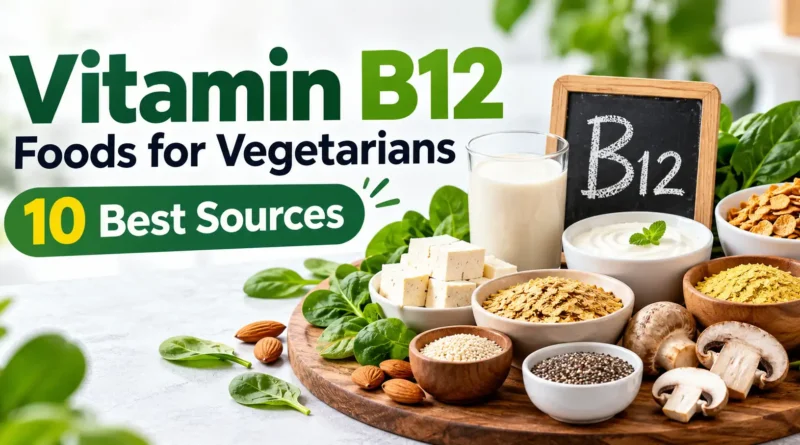
Vitamin B12 Foods for Vegetarians: 10 Best Sources
Vitamin B12 is essential for healthy nerves, red blood cell formation and DNA production. For people following a vegetarian diet, milk, curd, paneer and cheese are useful sources of this vitamin. Fortified foods, such as breakfast cereals and plant-based milk, can also help meet daily requirements.
Adults aged 14 and above need 2.4 micrograms (mcg) of vitamin B12 per day. One cup of cow’s milk provides about 1.3 mcg, while curd and cheese contribute additional amounts.
Not every food described as a vegetarian source of B12 is reliable. Spirulina, mushrooms, sprouts and soya chunks may contain little or no usable vitamin B12. People who eat little dairy should pay particular attention to fortified foods and supplements.
What Is Vitamin B12 and Why Is It Important?
Vitamin B12, also known as cobalamin, is a water-soluble vitamin that supports several important functions in the body.
It is needed for:
- Red blood cell formation: Helps produce healthy red blood cells and prevents a type of anaemia caused by B12 deficiency.
- Nerve function: Maintains the protective covering around nerves and supports normal nerve signalling.
- DNA production: Helps cells make DNA, which is essential for growth and repair.
- Cell division: Supports normal cell development and the formation of new blood cells.
Vitamin B12 is produced by certain microorganisms. Milk contains B12 because animals obtain the vitamin through diet and microbial activity. Most plant foods do not naturally contain reliable amounts of this nutrient.
The liver can store vitamin B12 for several years. As a result, deficiency may develop gradually, and symptoms can go unnoticed in the early stages. If left untreated, a deficiency can cause anaemia and neurological problems, including numbness, tingling and difficulty with balance.
How Much Vitamin B12 Do You Need Daily?
The recommended daily intake according to the US National Institutes of Health (NIH) is:
| Age or group | Daily requirement |
|---|---|
| Children aged 1–3 years | 0.9 mcg |
| Children aged 4–8 years | 1.2 mcg |
| Children aged 9–13 years | 1.8 mcg |
| Adults aged 14 years and above | 2.4 mcg |
| Pregnancy | 2.6 mcg |
| Breastfeeding | 2.8 mcg |
These values are general recommendations. People with conditions that affect B12 absorption may need medical assessment and a different treatment plan.
10 Vitamin B12 Sources for Vegetarians
1. Milk and Dairy Products
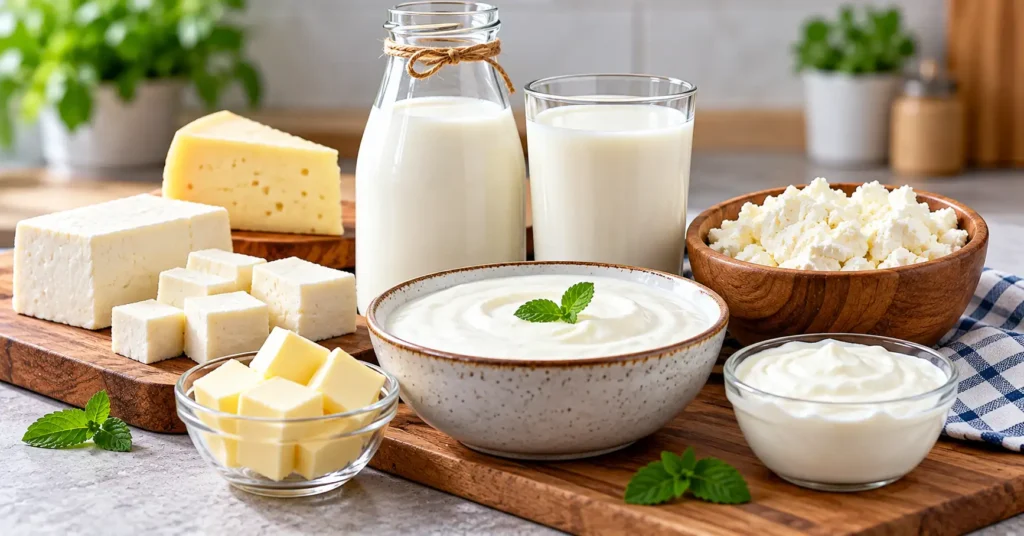
Milk and dairy products are among the most practical sources of vitamin B12 for lacto-vegetarians. They are easy to include in everyday Indian meals, from a glass of milk at breakfast to curd with lunch.
| Dairy product | Approximate B12 content |
|---|---|
| Cow’s milk, 1 cup (240 ml) | 1.3 mcg |
| Buffalo milk, 250 ml | About 0.9 mcg |
| Curd, 100 g | About 0.37 mcg |
| Buttermilk, 100 g | About 0.22–0.46 mcg |
| Goat’s milk, 100 g | About 0.065 mcg |
| Mozzarella cheese, 100 g | About 2.3 mcg |
| Swiss cheese, 100 g | About 3.1 mcg |
| Paneer | Varies by preparation |
Values are approximate and may differ by product, processing method and serving size.
A cup of cow’s milk provides more than half of an adult’s daily B12 requirement. Curd and buttermilk can contribute smaller amounts, while some cheeses contain more B12 per 100 g than milk.
Paneer also contributes to B12 intake, although its content varies with the milk and preparation method.
Simple ways to include dairy in your meals:
- Have a glass of milk with breakfast.
- Serve curd with lunch.
- Add paneer to sabzi, paratha or sandwiches.
- Drink buttermilk with meals.
- Include cheese in homemade dishes.
People who experience bloating or diarrhoea after drinking milk may have lactose intolerance. Lactose-free milk may be suitable, and some people tolerate curd or hard cheese more easily.
2. Fortified Breakfast Cereals
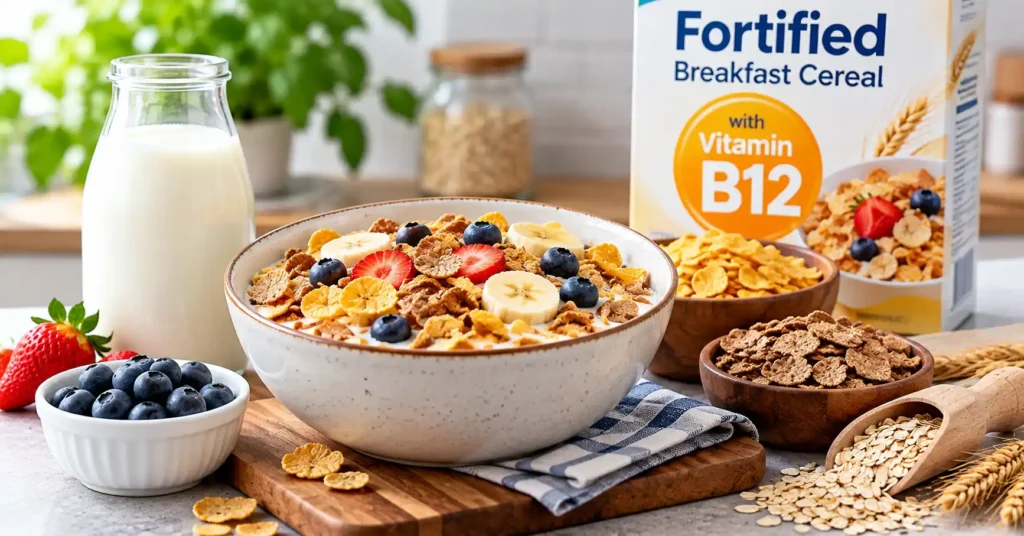
Some breakfast cereals contain vitamin B12 added during manufacturing. They can help people who do not get enough B12 from dairy products.
| Type of cereal | Approximate B12 per serving |
|---|---|
| Fortified to provide 25% of the Daily Value | 0.6 mcg |
| Fortified to provide 100% of the Daily Value | 2.4 mcg |
| Unfortified cereal | May contain no B12 |
The amount depends on the product and serving size. Check the nutrition label because many breakfast cereals do not contain added vitamin B12.
Fortified cereal can be eaten with milk for breakfast. This combination provides B12 from both the cereal and the milk, although the total depends on the products used.
3. Fortified Nutritional Yeast
Nutritional yeast is used in vegetarian and vegan cooking because of its savoury, slightly cheesy flavour. It can be added to soups, pasta, popcorn and other dishes.
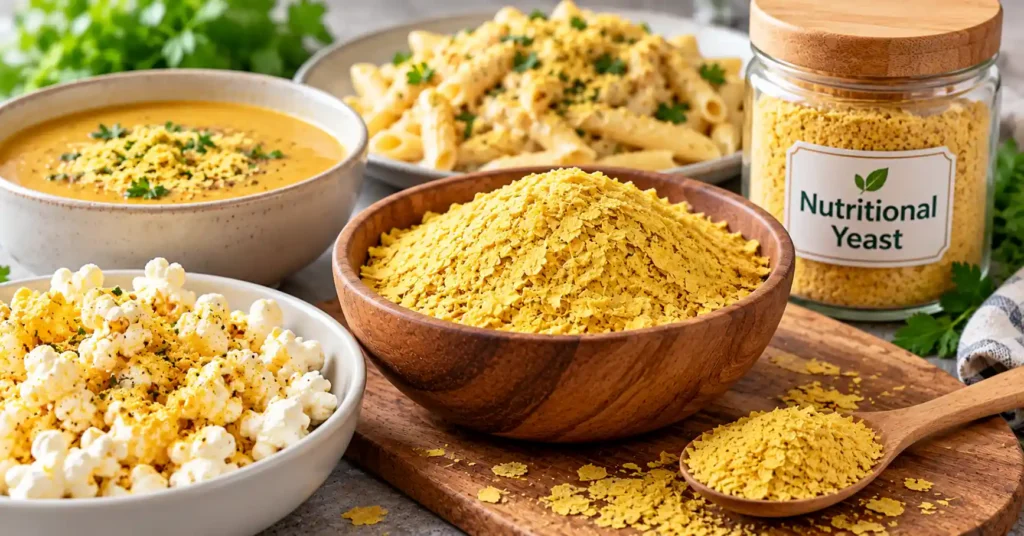
The key difference is whether the product is fortified.
| Product | B12 content |
|---|---|
| Fortified nutritional yeast | Depends on the brand and serving size |
| Unfortified nutritional yeast | Generally no reliable B12 |
Some fortified products provide several micrograms of vitamin B12 per serving. Check the nutrition panel before using nutritional yeast as a regular source.
It can be particularly useful for people who avoid dairy, provided the product contains added B12.
4. Fortified Plant-Based Milk
Fortified soy, almond and oat milk can help increase B12 intake, particularly for people who do not consume dairy.
| Product | B12 content |
|---|---|
| Fortified soy milk | Varies by brand |
| Fortified almond milk | Varies by brand |
| Fortified oat milk | Varies by brand |
| Unfortified plant milk | Usually no dependable B12 |
Plant-based milk does not automatically contain vitamin B12. Some products are fortified, while others contain none.
Look for vitamin B12 in the nutrition panel and check how much one serving provides. If plant milk is your main source, choose a product that supplies a meaningful amount and use it regularly.
5. Tofu and Soya Chunks
Tofu and soya chunks are useful vegetarian protein sources, but ordinary products are not dependable sources of vitamin B12.
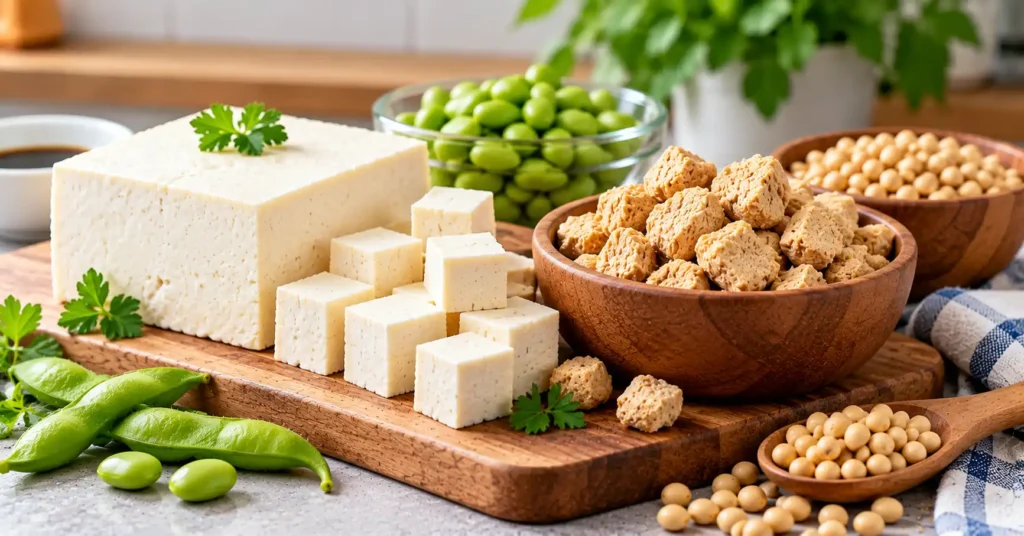
| Food | B12 information |
|---|---|
| Regular tofu | No reliable natural source |
| Fortified tofu | Depends on the label |
| Soya chunks | Generally no natural B12 |
| Tempeh | May contain variable traces |
These foods can still be part of a healthy vegetarian diet. Their main nutritional benefit is protein, rather than vitamin B12.
If a tofu product is fortified with B12, the nutrition label should state the amount per serving.
6. Spirulina and Seaweed
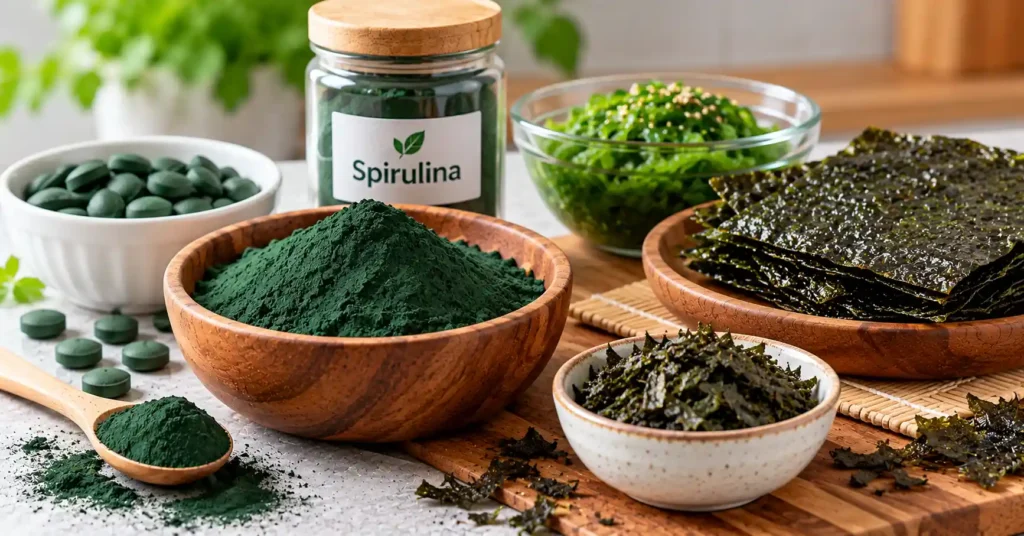
Spirulina and seaweed are sometimes promoted as plant-based sources of vitamin B12, but they are not reliable choices for meeting daily requirements.
Spirulina contains compounds that resemble vitamin B12 but are not considered dependable sources of active B12 for humans. Some dried nori seaweed products have been found to contain active B12, although the amount varies.
These foods can be eaten for other reasons, but they should not replace dairy, fortified foods or supplements as a regular source of vitamin B12.
7. Sprouts and Germinated Pulses
Mung bean sprouts and other germinated pulses provide fibre, protein and other nutrients. They are commonly eaten in salads, chaat and cooked dishes.
However, sprouts do not provide a dependable amount of vitamin B12. Any reported traces may vary according to growing conditions and the microorganisms present.
Include sprouts for other nutritional benefits, but do not count them towards your daily B12 requirement.
8. Mushrooms
Some mushroom varieties, including dried shiitake, have been reported to contain vitamin B12 or B12-like compounds. However, the amount varies considerably, and not all reported compounds are necessarily biologically active.
For this reason, mushrooms should not be relied on to prevent vitamin B12 deficiency.
They remain a useful ingredient in vegetarian meals, but dependable B12 sources are needed to meet daily requirements.
9. Traditional Indian Foods and Fermented Batter
Curd and buttermilk provide vitamin B12 and are easy to include in Indian meals. Other fermented foods, such as idli and dosa, are also common in vegetarian diets.
However, fermentation does not guarantee that a food will contain a meaningful amount of vitamin B12. The amount depends on the ingredients, microorganisms and preparation method.
Enjoy idli, dosa and other fermented foods as part of a balanced diet, but do not rely on them as your main B12 source.
10. Vitamin B12 Supplements
Some vegetarians may need a vitamin B12 supplement if their regular diet does not provide enough of the vitamin. Supplements are particularly relevant for people who consume little dairy, follow a vegan diet, or have problems absorbing B12.
Common forms include:
- Cyanocobalamin: A widely used form of vitamin B12.
- Methylcobalamin: Another form available in supplements.
- Medical treatment for deficiency: The dose and method of treatment depend on the cause and severity of the deficiency.
A confirmed deficiency may require a different dose from routine dietary supplementation. People with absorption problems may need medical treatment rather than relying on food alone.
If deficiency is suspected, consult a healthcare professional about testing and the appropriate treatment.
You may like: Vitamin B12 Foods to Include in Diet
Comparison of Vitamin B12 Sources for Vegetarians
| Source | Reliability |
|---|---|
| Cow’s milk and buffalo milk | Useful natural sources |
| Curd and buttermilk | Useful, but amounts vary |
| Paneer and cheese | Contribute to intake; amounts vary |
| Fortified breakfast cereals | Reliable when labelled |
| Fortified nutritional yeast | Reliable when labelled |
| Fortified plant milk | Reliable when labelled |
| Fortified tofu | Reliable when labelled |
| Spirulina and seaweed | Not dependable as the main source |
| Sprouts and mushrooms | Not dependable |
| Vitamin B12 supplements | Reliable when appropriately used |
Sample Vegetarian Meal Plan to Reach 2.4 mcg of B12
A lacto-vegetarian diet can combine milk, curd and cheese to provide the recommended daily intake.
| Meal | Food | Estimated B12 |
|---|---|---|
| Breakfast | 1 cup cow’s milk (240 ml) | 1.3 mcg |
| Lunch | 150 g curd | About 0.55 mcg |
| Evening snack | Cheese providing approximately 0.7 mcg | 0.7 mcg |
| Total | About 2.55 mcg |
These figures are estimates. Actual B12 content varies by product and serving size, so the total may be higher or lower.
People who eat little or no dairy can use fortified plant milk, fortified cereals or nutritional yeast that lists vitamin B12 on the label. If these foods do not provide enough B12 consistently, a supplement may be needed.
Meeting the recommended intake through food is not always enough for people with impaired absorption. A healthcare professional can help assess whether further testing or treatment is necessary.
How to Check Vitamin B12 on Food Labels
When buying fortified foods, check the following:
- Vitamin B12 content: Look for vitamin B12 in the nutrition information.
- Serving size: Check how much B12 is present in the portion you actually consume.
- Ingredients: Fortified products may list cyanocobalamin or another form of B12.
- Brand differences: Similar products can contain different amounts of the vitamin.
- Regular intake: Consider how often you eat the food, not just the amount in a single serving.
Who Is at Risk of Vitamin B12 Deficiency?
Certain people are more likely to develop low B12 levels because of diet, age, medication use, or reduced absorption.
These include:
- Vegetarians who eat little dairy: Milk and dairy products may be their main natural sources of B12.
- Vegans: A reliable source of fortified B12 or supplementation is necessary because unfortified plant foods do not provide enough.
- Adults over 50: Reduced stomach acid and other age-related changes can affect the absorption of B12 from food.
- People taking metformin or long-term acid-reducing medicines: These medicines can affect B12 status in some people.
- People with digestive conditions: Certain stomach or intestinal disorders can interfere with B12 absorption.
- People who have undergone stomach or intestinal surgery: These procedures may affect the body’s ability to absorb the vitamin.
- Pregnant and breastfeeding women: Recommended intake is higher than that of other adults.
Symptoms of deficiency can include persistent tiredness, weakness, numbness, tingling, balance problems and anaemia. These symptoms can have other causes, so a medical assessment and blood tests may be needed.
FAQs About Vitamin B12 for Vegetarians
Which vegetarian food contains the most vitamin B12?
Some cheeses, including Swiss cheese, contain relatively high amounts of B12 per 100 g. Fortified nutritional yeast can provide larger amounts per serving, depending on the brand. Among these options, fortified foods should always be checked against the nutrition label.
Can vegetarians get enough B12 without eggs?
Yes. Lacto-vegetarians can obtain B12 from milk, curd, cheese and other dairy products. Fortified foods can provide additional B12 when dairy intake is low. Eggs are not necessary for a lacto-vegetarian diet.
Is milk enough to meet the daily B12 requirement?
One cup of cow’s milk provides approximately 1.3 mcg, compared with the adult requirement of 2.4 mcg. Milk alone may not provide enough unless the quantity consumed meets the requirement. Adding curd, cheese or fortified foods can help.
Is paneer a good source of vitamin B12?
Paneer contains some B12, but the amount varies with the milk and preparation method. It can contribute to daily intake, although it should not be the only source.
Do mushrooms and sprouts provide vitamin B12?
They are not dependable sources. The amount reported in these foods can vary, and some B12-like compounds may not be usable by the body.
Is fortified plant milk suitable for vegetarians?
Yes. Fortified soy, almond and oat milk can provide B12, particularly for people who avoid dairy. Check the nutrition label because unfortified varieties may contain no B12.
Should vegetarians take a vitamin B12 supplement?
Not everyone needs a supplement. Some lacto-vegetarians get enough from dairy products and fortified foods. People who consume little dairy, follow a vegan diet or have absorption problems may need supplementation. A healthcare professional can advise whether testing or treatment is appropriate.
Conclusion
Milk, curd, buttermilk, paneer and cheese are practical sources of vitamin B12 for people following a lacto-vegetarian diet. Fortified cereals, plant-based milk and nutritional yeast can provide additional options, especially when dairy intake is limited.
Sprouts, mushrooms and spirulina should not be relied on to prevent deficiency because B12 content is inconsistent. Choose dependable sources, check food labels, and seek medical advice if your diet may not provide enough vitamin B12.