Best Email Marketing Software for 2026
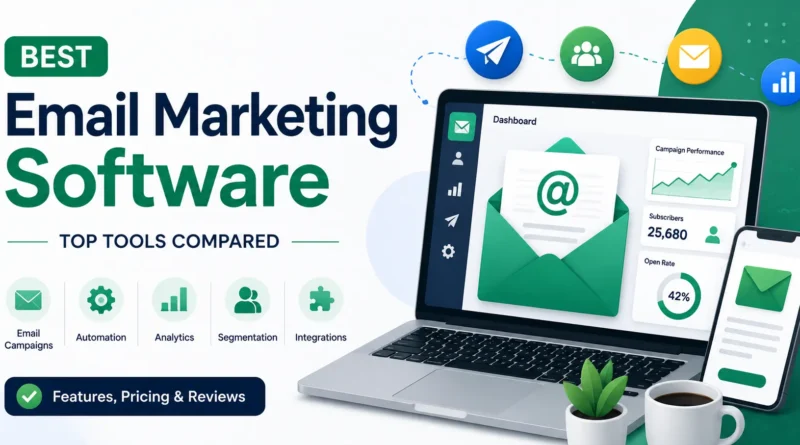
Email marketing remains one of the most effective digital marketing channels in 2026. Whether you run a small business, an online store, a blog, or a growing startup, the right email marketing software helps you build customer relationships, increase sales, and improve engagement.
Modern email marketing platforms now include AI-powered content creation, advanced automation, customer segmentation, A/B testing, analytics, and integrations with popular ecommerce and CRM tools. However, not every platform is suitable for every business.
This guide compares the seven best email marketing software solutions based on ease of use, automation, pricing, features, and overall value.
Key Highlights
- Compare the top 7 email marketing software for 2026.
- Find the best platform based on your business needs.
- Learn about pricing, features, automation, and integrations.
- Discover which tools offer free plans.
- Get practical tips for choosing the right software.
Comparison Table
| Software | Best For | Free Plan | Key Strength |
|---|---|---|---|
| Brevo | Small businesses | Yes | Affordable with CRM and transactional emails |
| Mailchimp | Beginners | Yes | User-friendly interface |
| ActiveCampaign | Marketing automation | No | Powerful workflows and CRM |
| Klaviyo | Ecommerce | Yes | Advanced customer segmentation |
| MailerLite | Bloggers & startups | Yes | Excellent value for money |
| Kit | Creators | Yes | Audience growth and digital products |
| GetResponse | All-in-one marketing | Trial | Email, webinars, and landing pages |
1. Brevo – Best Overall Email Marketing Software
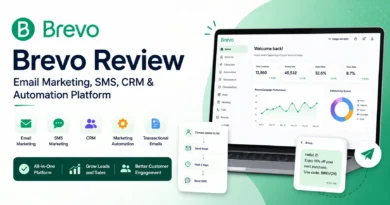
Brevo, formerly known as Sendinblue, continues to be one of the best email marketing platforms in 2026. It combines email marketing, SMS campaigns, transactional emails, CRM, and automation in one affordable solution.
Key Features
- AI email writer
- Marketing automation workflows
- Drag-and-drop email builder
- Transactional email support
- CRM integration
- SMS marketing
- Landing pages
Pros
- Affordable pricing
- Generous free plan
- Excellent email deliverability
- Beginner-friendly interface
- Suitable for growing businesses
Cons
- Limited templates compared to competitors
- Advanced reporting available only on higher plans
Best For: Small businesses, startups, freelancers, and agencies.
2. Mailchimp – Best for Beginners
Mailchimp remains one of the most recognized email marketing platforms worldwide. Its simple interface and wide range of templates make it an excellent choice for beginners and small businesses.
Key Features
- AI content suggestions
- Email templates
- Audience segmentation
- Automation journeys
- Marketing analytics
- Social media integration
Pros
- Easy to use
- Large template library
- Good free plan
- Strong integrations
Cons
- Pricing increases as your subscriber list grows
- Automation features are limited on lower plans
Best For: Beginners, freelancers, and small businesses.
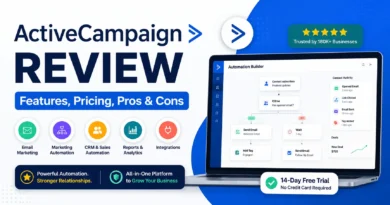
3. ActiveCampaign – Best for Marketing Automation
If advanced automation is your priority, ActiveCampaign stands out as one of the most powerful platforms available.
Its intelligent workflows allow businesses to send personalized emails based on customer behavior, purchases, website visits, and engagement.
Key Features
- Advanced automation
- CRM integration
- Predictive sending
- Lead scoring
- AI-powered personalization
- Sales automation
Pros
- Industry-leading automation
- Powerful CRM
- Excellent customer segmentation
Cons
- No permanent free plan
- Slight learning curve
Best For: Medium-sized businesses, SaaS companies, and B2B marketers.
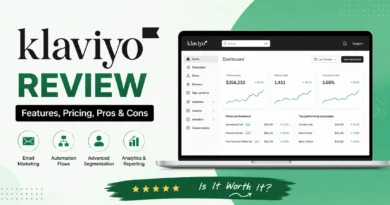
4. Klaviyo – Best for Ecommerce
Klaviyo is designed specifically for online stores and integrates seamlessly with Shopify, WooCommerce, BigCommerce, and Magento.
It helps ecommerce brands send highly personalized emails using customer purchase history and shopping behavior.
Key Features
- Product recommendations
- Abandoned cart recovery
- Customer segmentation
- SMS marketing
- Revenue tracking
- AI campaign optimization
Pros
- Excellent for ecommerce
- Powerful customer insights
- High ROI for online stores
Cons
- Expensive for large subscriber lists
- Less suitable for non-ecommerce businesses
Best For: Shopify and WooCommerce store owners.
5. MailerLite – Best Value for Money
MailerLite is a lightweight yet powerful email marketing platform that offers premium features at a competitive price.
It is particularly popular among bloggers, startups, and small businesses looking for an affordable solution.
Key Features
- Automation
- Landing pages
- Pop-ups and forms
- Website builder
- Email templates
- Analytics
Pros
- Affordable pricing
- Simple interface
- Fast setup
- Good free plan
Cons
- Limited advanced automation
- Smaller integration ecosystem
Best For: Bloggers, startups, and small businesses.
6. Kit – Best for Content Creators
Kit (formerly ConvertKit) focuses on helping creators grow and monetize their audience.
It includes tools for newsletters, paid subscriptions, digital products, and audience segmentation.
Key Features
- Creator-focused automation
- Digital product sales
- Newsletter builder
- Landing pages
- Subscriber tagging
- Visual automation builder
Pros
- Excellent creator tools
- Easy automation
- Clean interface
Cons
- Fewer templates
- More expensive than some competitors
Best For: Bloggers, YouTubers, coaches, and online educators.
7. GetResponse – Best All-in-One Marketing Platform
GetResponse offers much more than email marketing. Businesses can create webinars, landing pages, sales funnels, and marketing automation campaigns from one dashboard.
Key Features
- Email marketing
- AI email generator
- Webinar hosting
- Marketing automation
- Landing pages
- Conversion funnels
Pros
- Complete marketing suite
- Built-in webinar platform
- Easy-to-use interface
Cons
- Free plan has limitations
- Some advanced features require higher-tier plans
Best For: Growing businesses and digital marketers who want an all-in-one solution.
How to Choose the Right Email Marketing Software
Before selecting a platform, consider the following factors:
- Business Size: Small businesses often benefit from affordable tools like Brevo or MailerLite, while larger organizations may prefer ActiveCampaign.
- Automation Needs: If personalized workflows are important, choose ActiveCampaign or Klaviyo.
- Budget: Free plans are suitable for beginners, but paid plans unlock advanced automation and analytics.
- Integrations: Ensure the software connects with your CRM, ecommerce platform, or website builder.
- Ease of Use: Beginners should prioritize platforms with intuitive interfaces and drag-and-drop editors.
- Scalability: Choose software that can grow with your subscriber list and marketing goals.
Final Thoughts
Choosing the best email marketing software in 2026 depends on your business objectives and budget. Brevo is the best overall option thanks to its affordability, automation, and CRM features. Mailchimp remains an excellent starting point for beginners, while ActiveCampaign is the preferred choice for businesses that require advanced automation.
For ecommerce brands, Klaviyo delivers powerful customer segmentation and revenue-focused campaigns. MailerLite offers exceptional value for startups, Kit empowers creators to build loyal audiences, and GetResponse provides a complete marketing platform with webinars and conversion funnels.
Before making a decision, take advantage of free plans or trial versions whenever possible. Testing different platforms will help you find the solution that best matches your marketing strategy, business growth, and long-term goals. The right email marketing software can improve customer engagement, increase conversions, and deliver a strong return on investment for years to come.
Email Marketing Tools FAQ
1. What is email marketing software?
Email marketing software helps businesses create, send, automate, and track email campaigns. It is used for newsletters, promotions, and customer communication.
2. Which is the best email marketing software?
The best choice depends on your needs. Brevo, MailerLite, Mailchimp, Kit, and Omnisend are among the most popular options for different business sizes.
3. Is there any free email marketing software?
Yes. Many platforms offer free plans, including Brevo, MailerLite, Mailchimp, and Kit, with limits on subscribers or monthly emails.
4. Which email marketing tool is best for beginners?
MailerLite and Brevo are excellent for beginners because they have simple interfaces, easy automation, and affordable plans.
5. What features should I look for in an email marketing tool?
Look for email automation, drag-and-drop templates, audience segmentation, analytics, A/B testing, integrations, and good deliverability.
6. Can I automate email campaigns?
Yes. Most modern email marketing tools let you automate welcome emails, abandoned cart reminders, follow-ups, and drip campaigns.
7. Which email marketing software is best for eCommerce?
Omnisend and Klaviyo are popular choices for eCommerce stores because they offer advanced automation and integrations with Shopify and WooCommerce.
8. How much does email marketing software cost?
Pricing varies by provider. Many tools have free plans, while paid plans usually start at around $9–$20 per month.
9. Can email marketing improve sales?
Yes. Personalized email campaigns can increase customer engagement, repeat purchases, and overall sales when used consistently.
10. Which email marketing software has the best deliverability?
Brevo, MailerLite, ActiveCampaign, and Kit are known for strong email deliverability and reliable inbox placement.
11. Is email marketing still effective in 2026?
Yes. Email marketing remains one of the highest ROI digital marketing channels, helping businesses build relationships and drive conversions.
12. How do I choose the right email marketing software?
Choose a tool based on your budget, list size, automation needs, integrations, ease of use, and scalability as your business grows.